
Litter Boxes
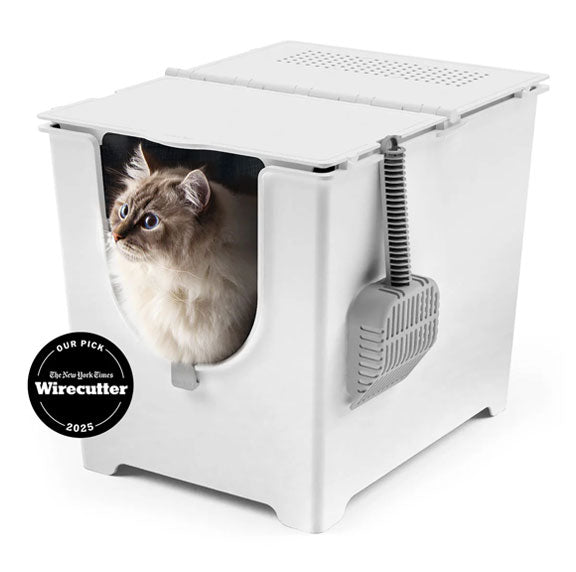


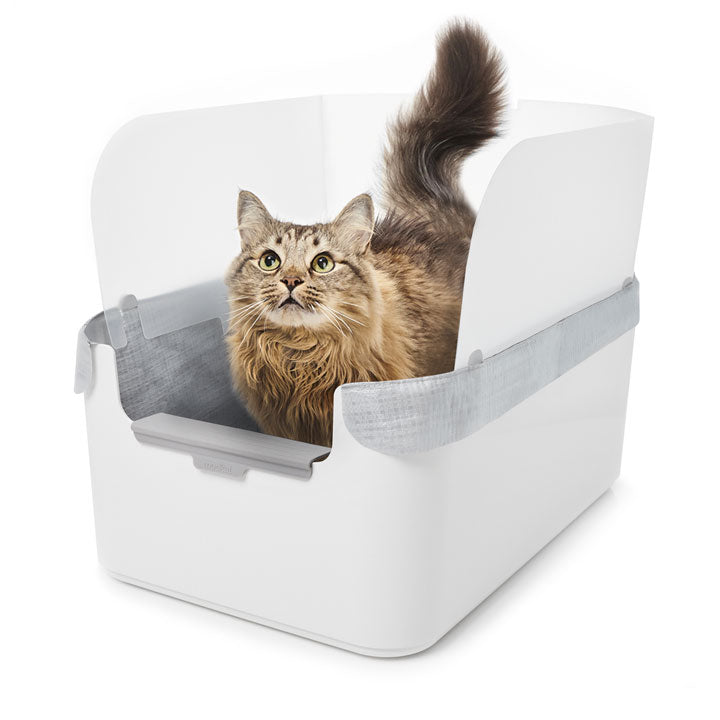
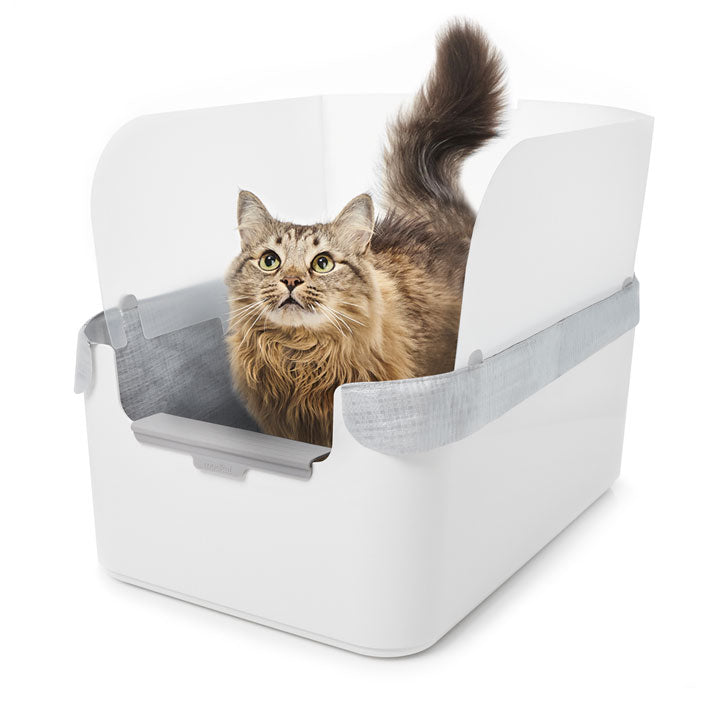
Modkat Flip
Front-Entry Litter Box
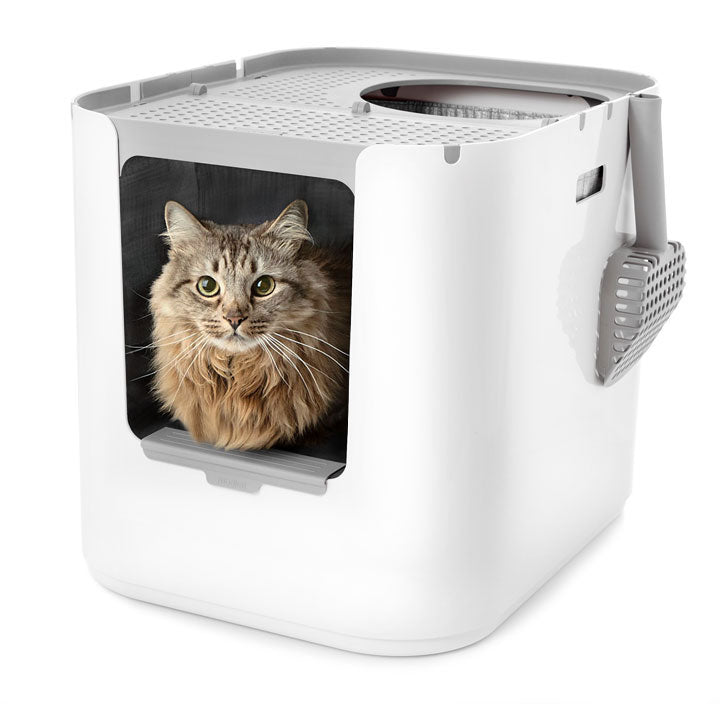
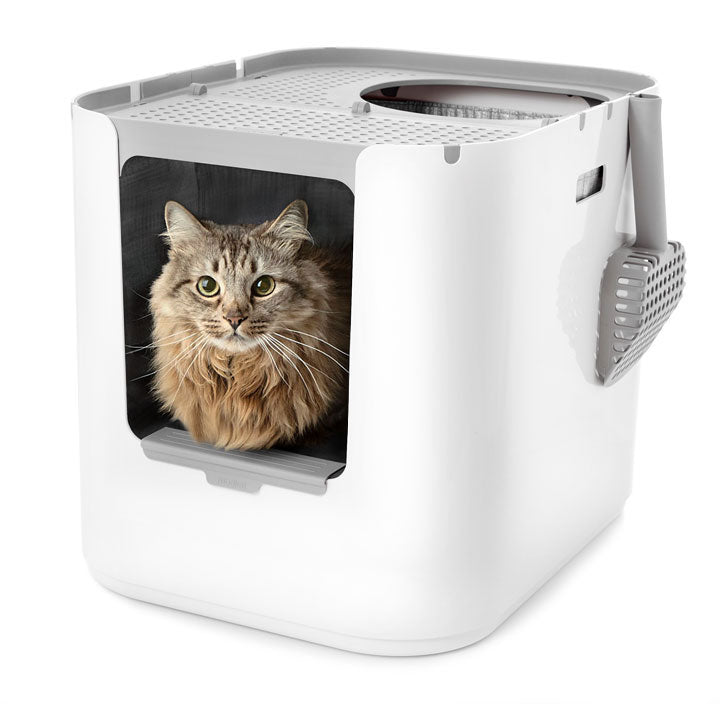
Modkat XL
Front/Top-Entry Litter Box
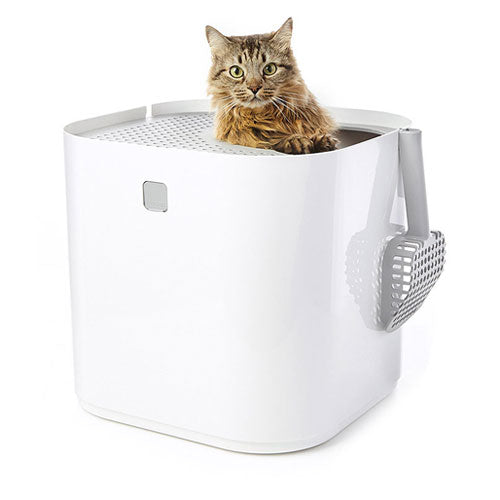
Modkat
Top-Entry Litter Box
Modkat Tray
Open Litter Box
Starter Kits
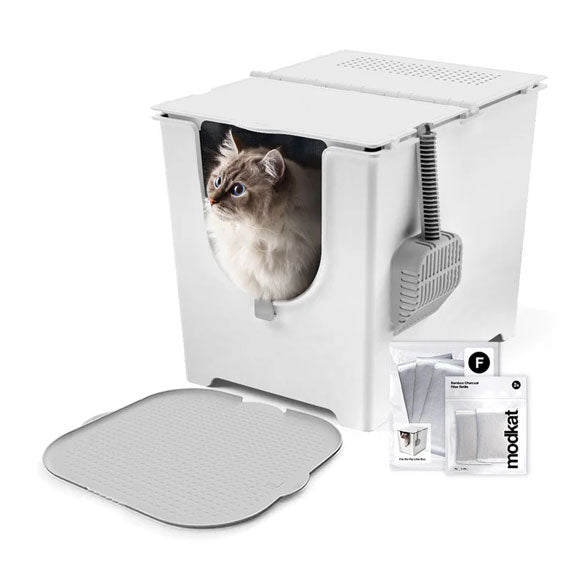


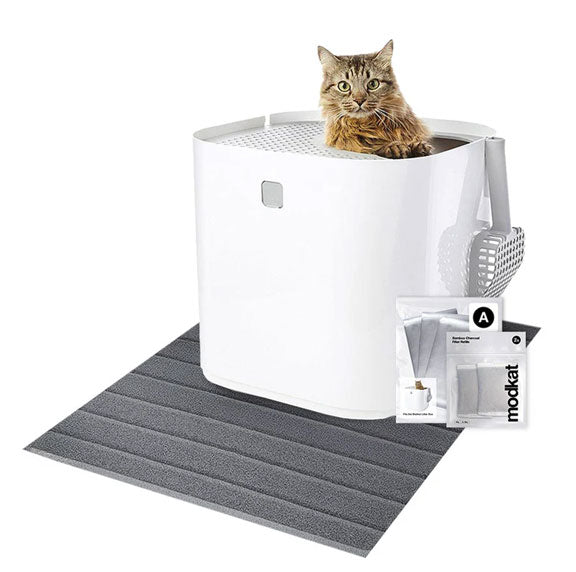

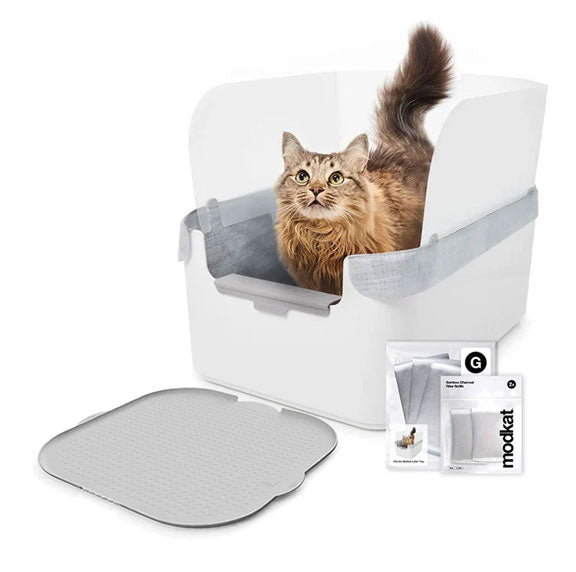



Modkat Flip Starter Kit
Front-entry bundle
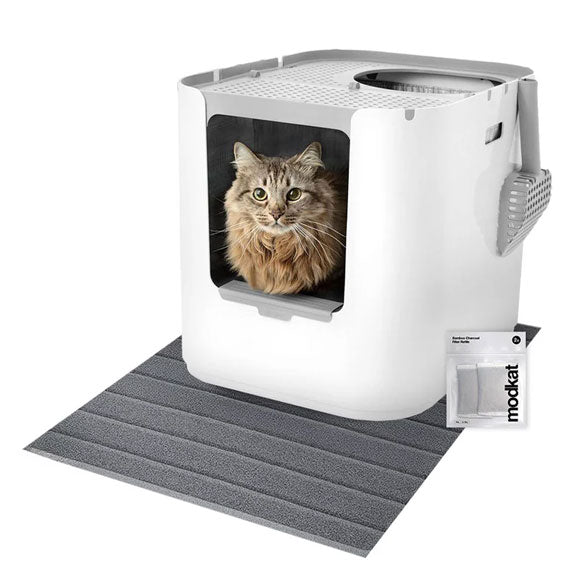
Modkat XL Starter Kit
Front/top-entry bundle
Modkat Starter Kit
Top-entry bundle
Modkat Tray Starter Kit
Open tray bundle
Essentials
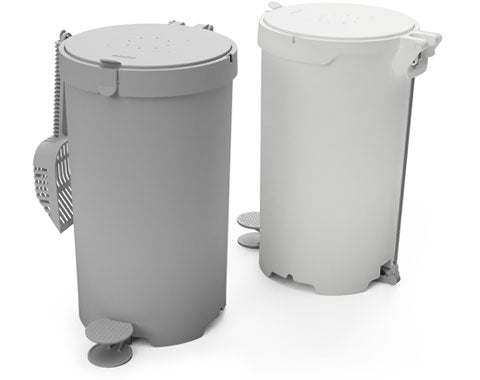
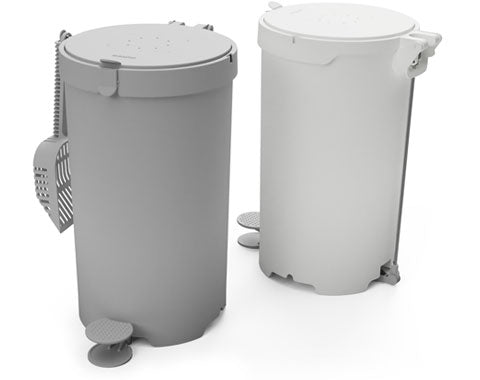
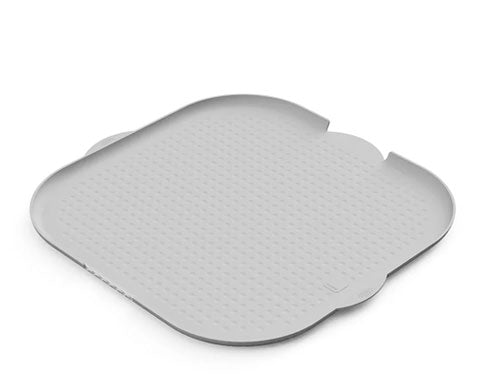

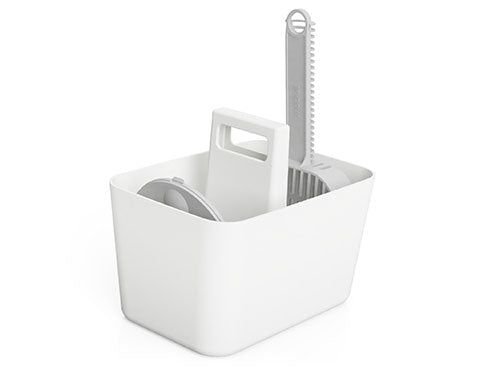

Litter Keeper
Two colors
Litter Mats
Multiple styles, colors & sizes
Tidy-Up Kit
Scoop holder & dustpan
Lounge + Play
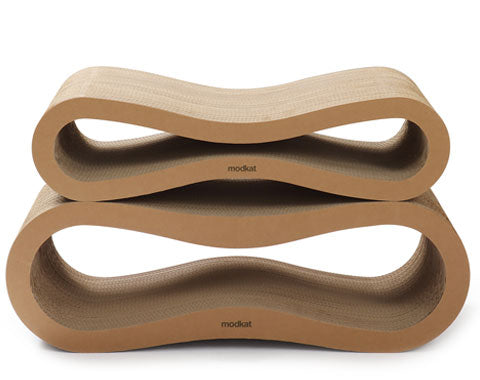
Scratchers & toys
Refills
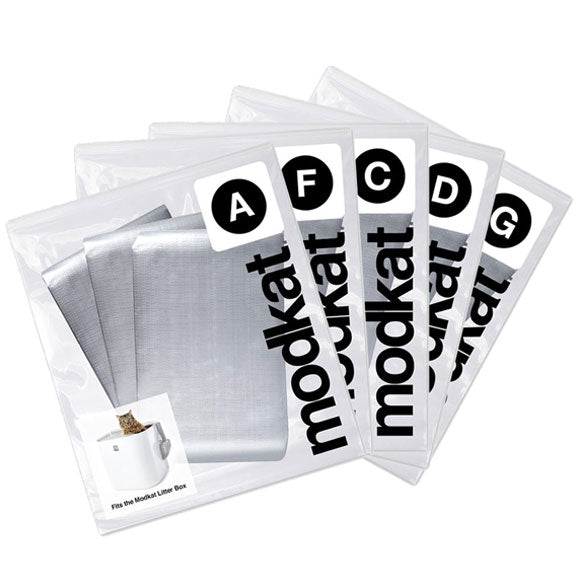







Liners
Subscribe + save
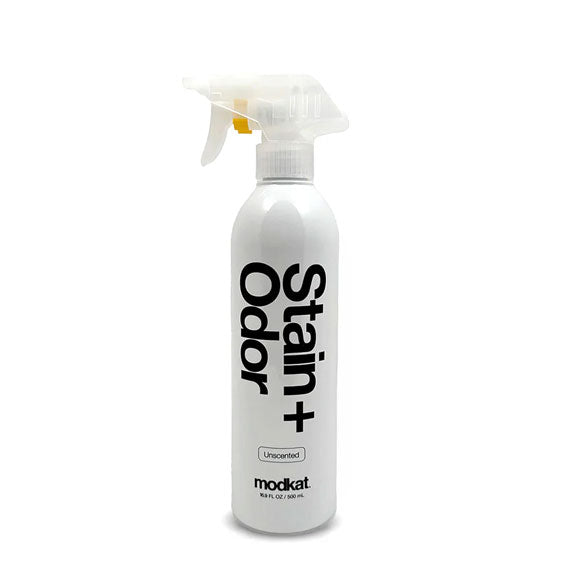
Stain + Odor Remover
Eliminates smells fast
Odor Filters
Keeps things fresh
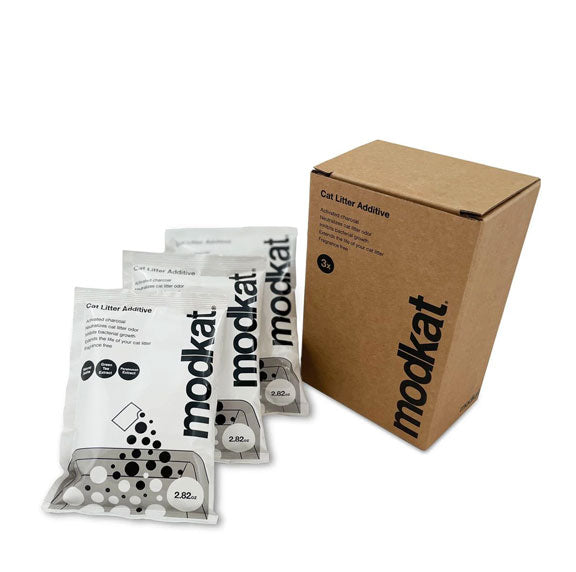
Cat Litter Additive
Neutralizes odor early
How often should you clean your cat’s litter box?


A clean litter box is not about odor. It is about behavior. Cats avoid dirty environments. Most litter box issues are not behavioral problems. They are maintenance problems.
The routine cats actually prefer.
You do not need complicated systems or automation. Just consistency.
Scoop: once or twice daily
Top off litter: as needed
Replace litter: about once per week
Wash the box: every 2 to 4 weeks
Homes with multiple cats may need more frequent cleaning. A clean box becomes a habit for both you and your cat.
Why cats reject dirty litter boxes.
Cats are naturally clean animals. When their litter box feels dirty or smells strong, they often avoid it.
That leads to stress, accidents, and confusion for owners who assume something is wrong with the cat. In reality, cats are responding exactly as expected.
A well-maintained litter box helps:
- prevent odors before they start
- reduce anxiety and territorial behavior
- encourage consistent litter box use
- reveal early health changes
Your litter box is also a daily health check. Changes in frequency or appearance often provide the first signal that something is off.
How many litter boxes should you have?
The guideline veterinarians recommend is simple: One litter box per cat, plus one extra.
If your home has multiple floors, place at least one box on each level. More options reduce stress and eliminate competition, especially in multi-cat homes.
Where should a litter box live?
Cats want privacy, not isolation.
Choose a space that is:
- quiet but accessible
- away from food and water
- easy to reach at all times
- ventilated but not exposed
Avoid high traffic areas or locations that feel unpredictable. Cats prefer stability. Placement matters just as much as cleaning frequency.
Choosing the right litter box.
The best litter box is the one your cat uses confidently every day.
Look for:
Proper size
Your cat should be able to turn comfortably inside. Larger is almost always better.
Easy entry
Senior cats or cats with mobility issues benefit from front entry designs. Some cats prefer enclosed spaces, while others prefer openness.
Simple maintenance
A design that is easy to clean stays cleaner. Smooth interiors and fitted liners reduce friction between intention and routine.
Technology is not always improvement. Many cats prefer quiet, predictable environments over automated machines.
How often do cats actually use the litter box?
Most cats urinate 2 to 4 times daily and have one bowel movement per day. Variation is normal. Diet, hydration, age, and activity all play a role.
Contact your veterinarian if you notice sudden changes, discomfort, or unusual waste. Regular scooping makes these changes easier to notice.
A simple cleaning routine
Keeping things clean does not need to feel like a chore.
Daily
-
Scoop waste and clumps
-
Maintain litter depth around 3 to 4 inches
Weekly
-
Dispose of litter in a sealed bag
-
Wash the box with warm water and mild detergent or vinegar
-
Dry completely before refilling
Avoid bleach and strong fragrances. Cats experience scent far more intensely than humans do. Never flush litter.
Choosing the right litter.
High quality clumping litter improves odor control and makes cleaning easier.
Many households now prefer plant-based options such as corn, tofu, grass seed, walnut, or wood pellets. These alternatives often produce less dust and feel more natural for cats.
Skip heavily scented formulas. Cleanliness works better than perfume.
Why routine reduces stress.
Some cats react when their litter box is cleaned because their scent disappears.
You can make cleaning easier on them by:
You can make cleaning easier on them by:
- sticking to a predictable schedule
- using unscented cleaners
- giving your cat space during cleaning
- leaving a small amount of familiar litter after washing
Consistency builds trust.
The takeaway.
A clean litter box is one of the simplest upgrades you can make for your cat and your home. No apps. No alerts. No complicated systems. Just thoughtful design, regular care, and a routine that works every day.
“It looks nicer than any other hooded or open option we considered.”

Similar products related to this blog:
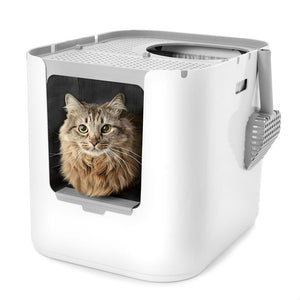
1669 reviews

"It looks nicer than any other hooded or open option we considered."

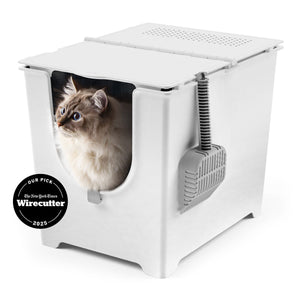
3901 reviews
"This litter box keeps everything in, nothing gets out the sides."
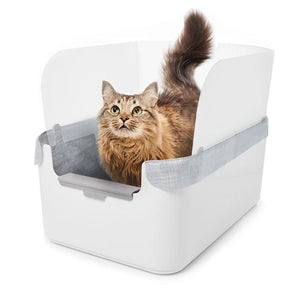
726 reviews
"My beautiful ragdoll cat and I both love the new Modkat Litter tray!"